

MONETIZED DEMOCRACY: WHY FUNDRAISING DRIVES REPLACE MANIFESTOS DURING UGANDAN POLITICAL CAMPAIGNS.
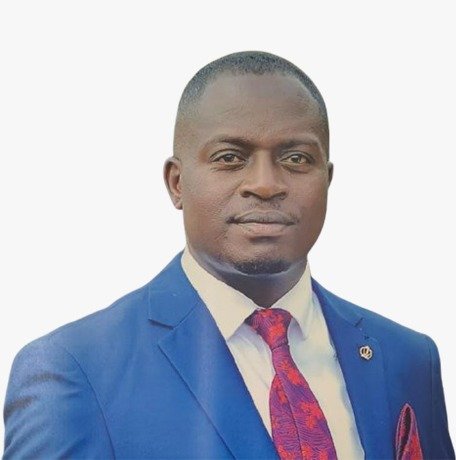
Commentary: By Gerald Kooli / Former Member of Parliament Candidate, Rujumbura County, Rukungiri District.
Independent Analysis and Lessons from 2026 for 2031.
Every election in Uganda, from Kisoro to Karamoja, the scene was the same in the 2026 general elections. A candidate arrived and was handed fundraising books instead of questions about their manifesto.
What stood out most on the ground in 2026?
1. The envelope culture: Cash of 2,000 to 10,000 shillings, sugar, soap and hoes after rallies. More than half of Ugandans had been offered money for votes. In the 2025 ruling party primaries leading to 2026 elections, some candidates spent up to 2 billion shillings to buy votes. The Chairman of the Electoral Commission, Justice Simon Byabakama, had warned: _”It is a criminal offense to use money to influence voters”.
2. Fundraising as bribery: Churches and schools timed their needs to elections. The Electoral Commission banned fundraising in worship places in 2025, calling it _”a major source of voter bribery”.
3. The cost that locked out the poor: The average parliamentary race cost about 465 million shillings in 2016 and over 1 billion shillings in 2026, according to Alliance for Finance Monitoring. Only the rich or heavily indebted could run.
4. Death of issues: We asked _”how much have you brought?”_ not _”what is your plan for coffee prices or Foot and Mouth Disease?” Voting became transactional – _”ballots are no longer voices, but commodities for sale”.
Why did people beg so much during 2026 elections?
It was not culture. It was survival and a learned system.
Voters saw elections as _”opportunities for extracting resources rather than holding leaders accountable”_ because services fail.
And as Commonwealth Election Observers noted in 2011, _”commercialisation of politics through gifts surfaced prominently”_ – politicians taught voters to expect handouts.
A 2022 study by the Danish Institute for International Studies confirmed _”election campaigns in Uganda are very expensive”_ and demand for cash has accelerated since the 1990s.
Who takes the blame for this vulnerability?
All of us. Candidates who bribed.
Incumbents who outspent opponents and got funded by rich business companies. The Danish study notes that plutocratic financing by domestic private companies has grown.
Voters who, as Democracy Monitoring Group found, are now accustomed to receiving bribes.
Weak law – Uganda has no campaign finance law. The legislation and enforcement are weak. European Union Election Observers in 2021 concluded that this “undermined public confidence”.
The result, as Alliance for Finance Monitoring warns: “Winners emerge burdened by debt, turning to corrupt practices to recoup losses, while losers face ruin”.
What must be done before 2031?
1. Pass a campaign finance law now with spending limits and open declaration of where money comes from, before campaigns start again.
2. Enforce a 6-month ban on candidate fundraising in churches and community events ahead of 2031.
3. Civic education that calculates: 5,000 shillings for a vote equals 1,000 shillings per year for 5 years.
4. Political parties must fund ideas, not pockets- give candidates manifestos and agents, not cash.
5. Voters must change questions for 2031, Ask about services, Parish Development Model, markets – not envelopes.
My take as a former candidate.
Monetized democracy in 2026 gave the voter 5,000 shillings today and five years of poor services.
If the fundraising book remains more powerful than the manifesto, we will fundraise for the same borehole in 2031.